





Choosing a finish for a wood floor is a decisive step in preserving and enhancing the wood. A wood floor isn't just a simple flooring material: it's a living, warm surface that evolves and develops a unique patina over the years. The finish applied directly shapes its look, how comfortable it is to live with, how easy it is to maintain, and how it ages.
Among the available solutions, two natural approaches stand out in particular: wax and oil. Both treatments respect the authentic character of the wood, but they follow very different logics. Oil favours deep, technical protection, while wax remains a finish historically tied to aesthetics, feel and the visual elegance of a wood floor.
Understanding these differences helps you move past a purely theoretical choice and pick a finish that truly matches the atmosphere and experience you're after.
Why is treating a wood floor essential?
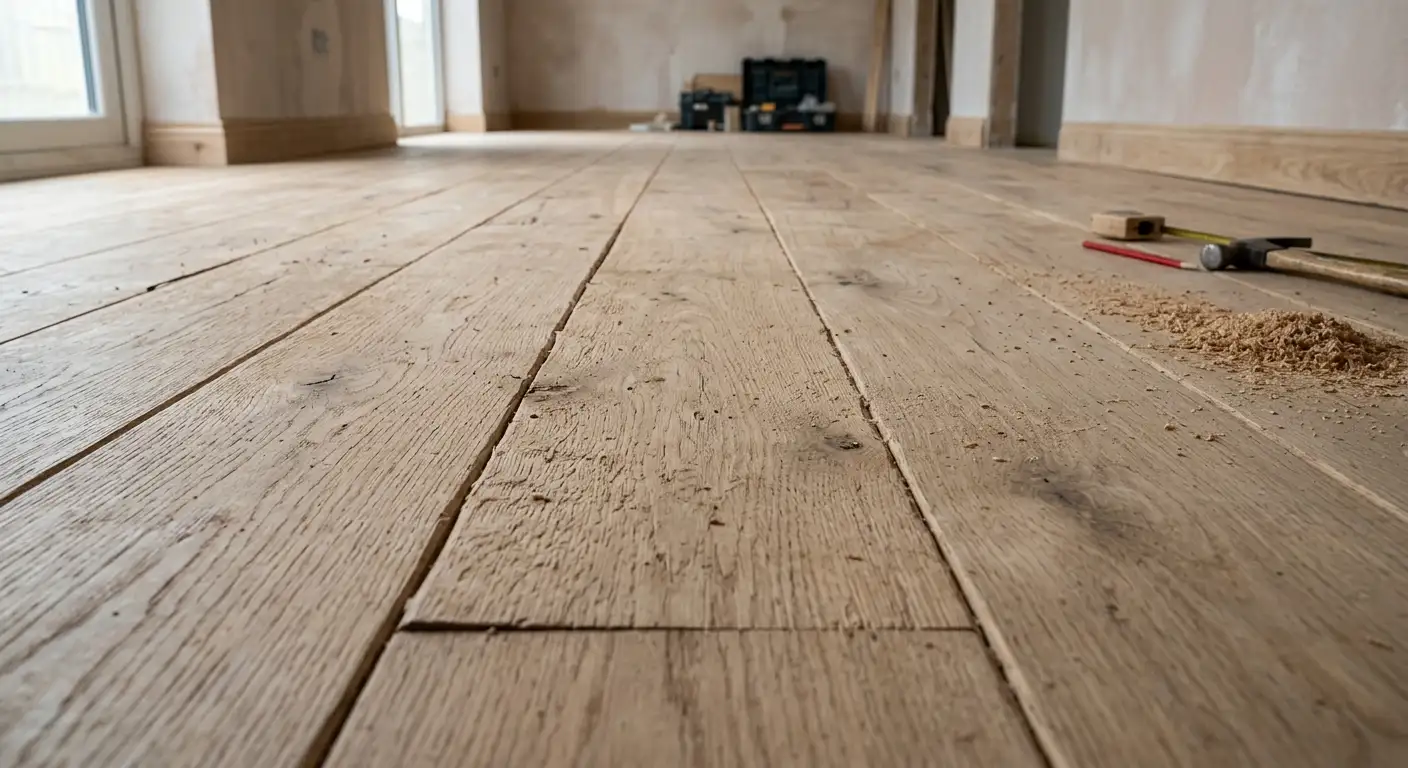
A raw or insufficiently protected wood floor remains particularly vulnerable to everyday wear. Repeated foot traffic, abrasive dust, humidity changes and accidental stains gradually damage the surface. Without the right finish, wood can lose its depth, dull, and mark more easily.
Applying a treatment isn't just about protection. A finish also plays a major aesthetic role. It brings out the grain, enriches the perception of colour, and defines the overall character of the floor. Depending on the product chosen, the result can be warm, satin, matte, deep, or more understated.
Treating a wood floor should therefore always be approached as a balance between protection, visual result and everyday comfort.
Wax for wood floors: a finish full of character and texture
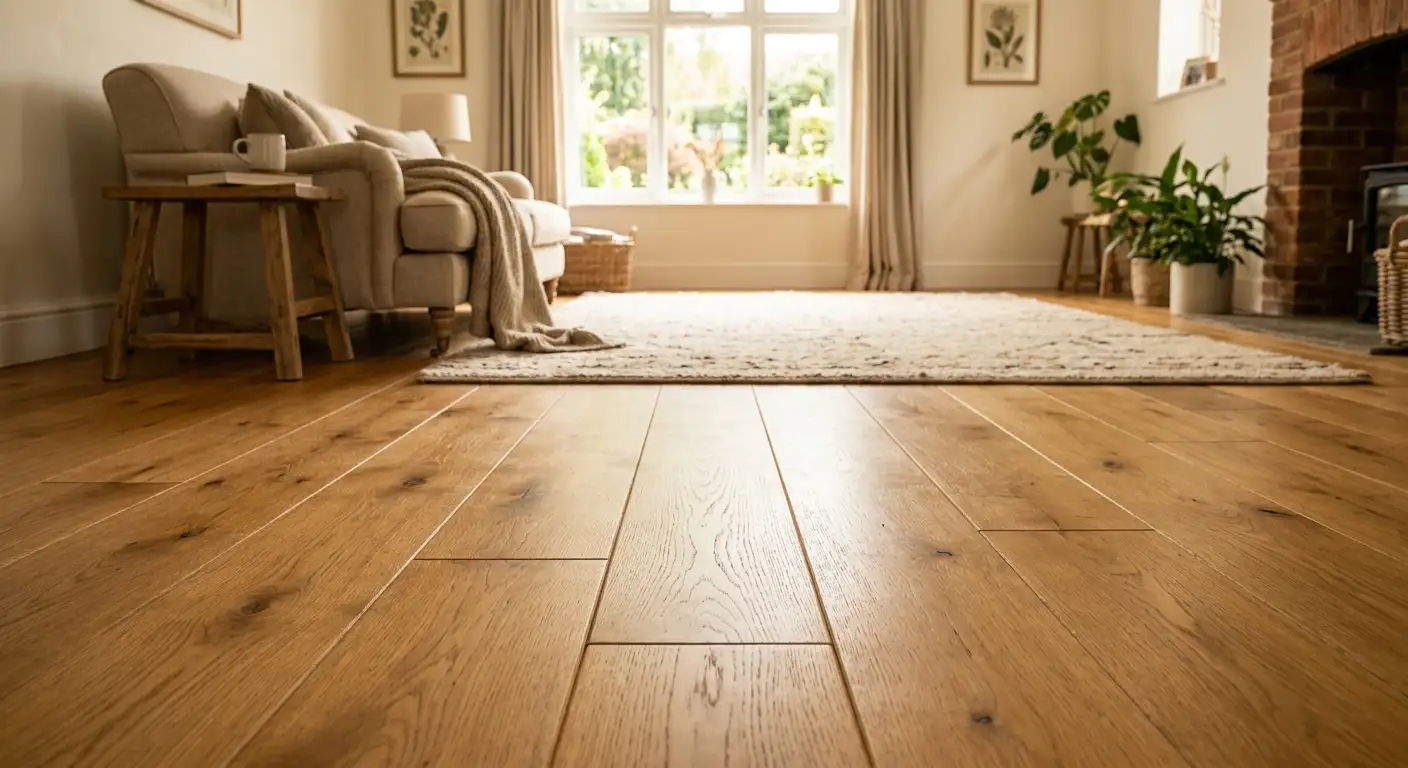
Wax remains one of the most refined and attractive finishes for wood. Its unique result explains its lasting popularity, especially in interiors seeking warmth and authenticity.
A warm, deeply natural look
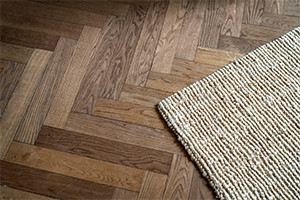
Wood wax gives a particularly elegant satin finish. Unlike matte results that can sometimes feel neutral, wax visually enriches the material. The wood gains depth, brightness and visual richness. The grain is enhanced, the colour appears more vibrant, and the floor develops a warm patina that more technical treatments simply can't reproduce.
This aesthetic quality is one of wax's biggest strengths. It truly transforms how a floor is perceived and actively shapes the overall mood of a room.
An unmatched feel underfoot
Sensory comfort is another essential characteristic. A waxed floor gives a soft, almost silky feel. The wood keeps a natural, warm touch, reinforcing the perceived quality of the material. This tactile dimension, often underestimated, has a strong influence on the everyday experience of the floor.
A finish that evolves and lives with the wood
Unlike more rigid finishes, wood wax naturally accompanies the wood as it ages. The floor gradually develops a patina that adds to its charm. Small marks blend harmoniously into the overall look of the floor, creating an authentic, living aesthetic.
Particularly easy to restore
One of wax's most appreciated advantages is how easy it is to restore. A slightly dull floor can be revived without any heavy intervention. A simple buffing or a thin reapplied layer is usually enough to bring back the shine. This ease of upkeep clearly sets wax apart from many more demanding finishes.
Recommended product for waxed floor care

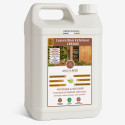
To effectively care for and nourish your waxed floor, we recommend CPA800 Floor Wax, specially formulated to protect, revive the colour and prolong the natural beauty of the wood.
- CPA800 Floor Wax
The trade-offs of a waxed floor
Wax requires regular upkeep. That said, this trade-off comes with a direct benefit: the finish stays alive, adaptable and easy to revive.
Comparison table: wax vs. oil for wood floors
| Criteria | Wax | Oil |
|---|---|---|
| Finish | Satin, warm, deep | Matte to satin, more understated |
| Look of the wood | Rich, bright, alive | More neutral, sometimes darker |
| Feel | Soft, silky | Drier |
| Aesthetic enhancement | Very high | More moderate |
| Restoration | Very easy | Possible in specific areas |
| Ageing | Elegant patina | More stable look |
This table highlights one key distinction: wax clearly favours the aesthetic and sensory side of things.
Can you combine wax and oil?
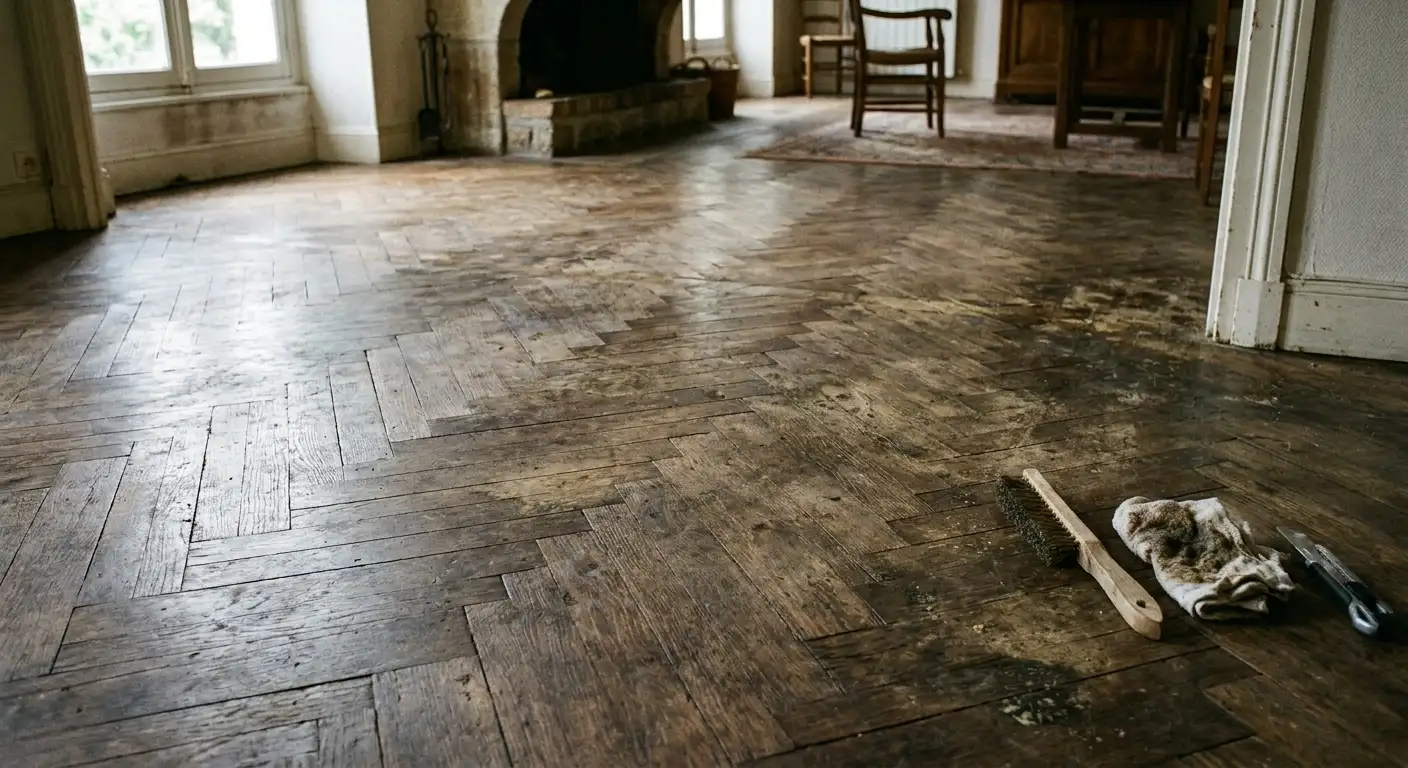
Combining the two finishes isn't recommended, because they work on completely different principles.
Oil is a penetrating finish: it soaks into the wood fibres to nourish and protect it in depth. Wax, on the other hand, works on the surface, forming a protective barrier. The problem is that this barrier stops oil from penetrating properly. If you apply oil to wood that's already waxed, it will sit on the surface, dry unevenly, and give a patchy, short-lived result.
In the same way, waxing wood that's already oiled can cause adhesion problems if the surface hasn't been properly prepared.
When switching from one finish to the other, it's essential to strip back to raw wood through a full wax removal or complete sanding. Without this step, the new finish won't hold up properly over time.
Caring for a waxed or oiled wood floor
Waxed floor
Upkeep mainly relies on buffing and the occasional reapplication of thin layers. This approach helps maintain a bright, even look.
Oiled floor
An oiled floor needs gentle cleaning and localised reapplications. The look stays consistent but offers less visual variation.
What to avoid: common mistakesLayering wax over oil, or vice versa, is the most common mistake. Using harsh or abrasive household products is also a frequent cause of premature damage to natural finishes.
Conclusion
The choice between wax and oil mainly comes down to the look you're after and the relationship you want to have with the wood. Wax remains the warmest, most sensory and most visually rewarding finish. It enhances the material, enriches how the floor is perceived, and ages gracefully alongside it.
Oil leans more towards a functional, minimalist approach, with a more matte, understated result.
For a decorative, aesthetic and high-quality approach, wax remains a go-to reference.