Wooden furniture always brings a touch of elegance and authenticity to our interiors. However, to preserve their natural beauty and integrity over time, regular maintenance is essential. Regular cleaning of wooden furniture helps maintain its natural shine and prevents damage caused by dust, stains, and wear. This article explores the different types of wood cleaners available and the cleaning techniques suited for your wooden furniture, to help you make the best choice for effective maintenance.

The needs of wooden furniture

Before starting the cleaning process, it is crucial to know the type of wood and the finish of your furniture. Each type of wood may require a different cleaning approach.

Identify the type of wood and its finish

Furniture can be made from different types of wood, each with its own characteristics. Solid wood, for example, is often more durable but can be sensitive to scratches and moisture, which is why it should be protected with a suitable wood varnish. Veneered furniture, made from a thin layer of fine wood glued onto a base, requires gentle care to avoid damaging the veneer. Finally, laminated wood has a protective surface that may influence the choice of cleaner.

Distinction between solid wood, veneer, and laminated wood

  • Solid wood: This is raw wood, often used for high-quality furniture pieces. It can be varnished, oiled, waxed, or left natural. It requires special care to prevent drying out or excessive moisture, as well as protection to avoid stains and scratches.
  • Veneer: This is a thin layer of fine wood applied to a less expensive base such as plywood. More delicate, this type of wood can be damaged if harsh cleaners are used. Gentle cleaners should be used to avoid lifting the veneer.
  • Laminated wood: This wood has undergone chemical and/or mechanical treatment for protection. The laminated surface is resistant to stains. It imitates real wood and is less sensitive to humidity changes, but it can be damaged by inappropriate chemical products.

Choosing the appropriate cleaner

Let’s explore a variety of cleaners specifically formulated for wooden furniture, each offering its own unique benefits.

Overview of specialized cleaners

Wood furniture cleaners can be categorized into several types:

  • Oil-based cleaners: Ideal for oiled and untreated wood, these products nourish the wood and prevent it from drying out.
  • Wax-based cleaners: These create a protective layer on the wood and are perfect for waxed finishes.
  • Gentle cleaners like SN800 Black Soap with Linseed Oil: Suitable for all surfaces, even the most delicate ones such as veneer or lacquered wood. They clean, degrease, and nourish wooden surfaces.
  • Dish soap: A liquid detergent that, like black soap, helps degrease wood surfaces.
  • White vinegar: It can be used on laminated wood, but it is not recommended for use on other finishes.

Tips for choosing a product

  • For oiled wood: Choose SN800 Black Soap with Linseed Oil, which is especially recommended to preserve the beauty of oiled wooden furniture, or dilute CAL800 Carnauba Liquid Wax. This will help avoid damaging the finish while nourishing the wood.
  • For varnished or lacquered wood: Use a gentle cleaner like Black Soap with Linseed Oil or diluted dish soap.
  • For natural wood or veneers: Use mild cleaners that do not contain harsh chemicals, such as our Black Soap with Linseed Oil.
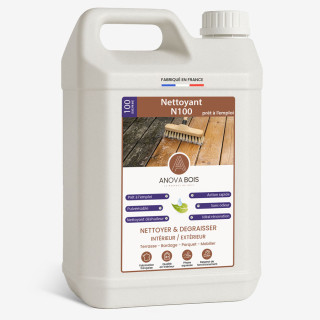
  • For very stubborn stains: Use N100 Wood Cleaner to dissolve tough dirt and grease, but avoid using it on tannin-rich woods like oak, chestnut, cherry, or walnut.

Step-by-step cleaning instructions

Several steps are necessary to effectively clean your wooden furniture and ensure optimal results without causing damage.

Detailed cleaning steps

  • Preparation: Carefully remove dust from the wooden furniture using a soft, dry cloth.
  • Applying the cleaner: Using a clean, soft cloth, apply the wood cleaner. Follow the instructions according to the product used.
  • Rinsing: After cleaning, use a soft damp cloth to remove any cleaner residue and reveal the wood’s natural shine.

Techniques for removing common stains

  • Fingerprints: Use a slightly damp cloth with a bit of black soap; this is usually sufficient.
  • Water rings: Always rub in the direction of the wood grain and use a bit of black soap with linseed oil. If you notice tannin bleed stains or metal marks on a tannin-rich wood such as oak or chestnut, use the EB100 Wood Brightener for dark oak furniture.
  • Light scratches: To reduce scratches, use a mixture of CAL800 Carnauba Liquid Wax and water. It will make the wood shine and also revive its color while masking minor scratches.

Precautions and maintenance tips

To avoid damage during cleaning, we recommend taking certain precautions.

  • Before applying a product to the entire surface of the furniture, you can test it on a small hidden area. This will help ensure that the cleaner does not cause discoloration or damage to your wooden furniture.
  • Use soft cloths, as abrasive cloths can scratch the surface of your wooden furniture.
  • Avoid excess water, as excessive moisture can cause the wood to swell and warp.
Back to top
x