
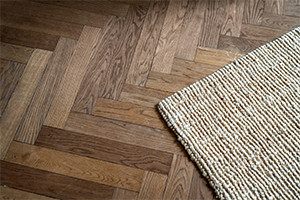





When wood has been stained, there comes a time when you want to return to a more natural surface: whether you are changing the shade, restoring antique furniture, fixing a botched application, or reviving wood damaged by time. Removing wood stain is a crucial step to recover a clean, healthy surface that is ready for a new finish.
But beware: not all wood stains are removed the same way. The best method depends entirely on the type of product applied, the condition of the wood, and the project itself (furniture, hardwood floors, decks, siding...).
In this ultimate guide, discover how to remove wood stain effectively, the mistakes to avoid, and the best practices to prepare your wood surface for a brand-new finish.
Before taking any action, a proper assessment is essential. Knowing exactly what type of wood stain was applied allows you to choose the most effective and least aggressive method.
The removal method also depends on the specific project:
There is no single miracle method: each technique fits a different project. Here are the three most reliable ways to remove wood stain.
Mechanically removes the wood stain from the surface.
Ideal for furniture, hardwood floors, countertops, and stairs.
Allows you to achieve a completely bare and uniform wood surface.
Random orbital sander for furniture and flat surfaces.
Belt sander for hardwood floors or large surface areas.
Suitable sandpaper grits:
80-grit for heavy stripping
120-grit for smoothing and blending
180 or 240-grit for final finishing depending on the project
Always sand in the direction of the wood grain.
Avoid staying too long in one spot to prevent gouging or uneven spots.
Use a vacuum attachment or wear a dust mask to limit airborne particles.
Finish with a thorough dust removal before applying any new finish.
Sometimes, wood is clogged, greasy, or loaded with product residue. In this case, even before sanding, it must be cleaned.
Tarnished or blackened wood
Traces of grease, pollution, build-up
Aged but lightly pigmented stain
Removes dirt, old light finishes, and organic residue.
Prepares the surface for a more even sanding.
Specific wood cleaners
Soft brush
Thorough rinsing
Ensure complete drying before proceeding with further treatment
For outdoor wood, UV rays cause natural graying. A wood reviver helps restore the original color, either before or after removing a worn-out stain.
Grayed decking or cladding
Outdoor furniture weathered by UV rays
Before applying a new wood deck sealer or paint
Restores the wood's natural color
Elimines gray residue and oxidation
Makes sanding easier (less abrasive)
Ideal in combination with a wood cleaner before or after
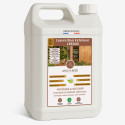
To learn more or purchase the DG105 exterior wood reviver.
Proper wood preparation determines the ultimate quality of your final finish.
After sanding: vacuum thoroughly + wipe with a slightly damp cloth.
After cleaning or using a wood brightener: rinse thoroughly and let dry completely.
The wood must be completely dry before applying any new topcoat or product (allow 24 to 48 hours depending on weather conditions).
Perform a quick water drop test on a small inconspicuous area:
If the water absorbs quickly → the wood is porous, making a penetrating finish (like a wood sealer or deck saturator) ideal.
If the water beads up → the surface is still too dense, and a light final sanding is recommended.
Once the wood has been stripped back to bare wood, it must be protected. The choice of topcoat or finish depends on its usage and exposure.
Advantages of wood stain :
Decorative finish
Leaves the wood grain visible
Perfect for trim, furniture, and wood paneling
Advantages of wood varnish:
Heavy-duty, high-resistance protection
Ideal for furniture, countertops, and stairs
Available in matte, satin, and gloss finishes
Advantages of wood dyes and tints:
If you want to re-color the wood before applying a protective topcoat
Wide selection of shades and tones
Advantages of wood saturator :
Best choice for decks, wood siding, and patio furniture
UV protection + water-repellent properties
Natural appearance
Advantages of wood paint:
Opaque finish
Conceals imperfections and creates a uniform surface
Excellent long-term durability on siding and furniture
| Project | Recommended Method | Ideal Finishes After Removal |
|---|---|---|
| Indoor furniture | Complete sanding | Varnish / Wood stain (Lasure) |
| Hardwood flooring | Mechanical sanding + dust removal | Varnish |
| Deck / Patio | Cleaner + Wood brightener + Light sanding | Wood saturator / Deck sealer |
| Siding / Cladding | Cleaner + Wood brightener | Saturator / Paint |
| Outdoor furniture | Cleaner + Wood brightener | Saturator |
✔ Identify the type of stain
✔ Check the condition of the wood
✔ Choose a method: sanding / cleaning / wood brightener
✔ Remove the stain
✔ Remove dust or rinse
✔ Let it dry completely
✔ Test wood absorbency
✔ Apply an appropriate new finish
Removing wood stain is not a complicated task, provided you choose the right method for your specific surface and its condition. Whether it is sanding, using a wood brightener, or cleaning, each technique has its place. Once the wood is properly prepared, you can apply a new, durable finish: wood stain (lasure), varnish, a new tint, or a wood saturator for outdoor projects.