







Over time and with exposure to outdoor conditions, wood stain can lose its appearance and effectiveness. UV rays, rain, moisture and temperature fluctuations gradually affect the finish. The colour may become duller, the wood may appear less protected and, if maintenance has been delayed for too long, the stain may begin to peel or deteriorate in some areas.
But do you always need to strip the wood back to bare timber before applying a new wood stain? Not necessarily. In many cases, it is possible to apply a new wood stain over an old one, provided that the surface is properly prepared and the existing finish is still sufficiently well adhered.
1. Can you apply a new wood stain over an old one?
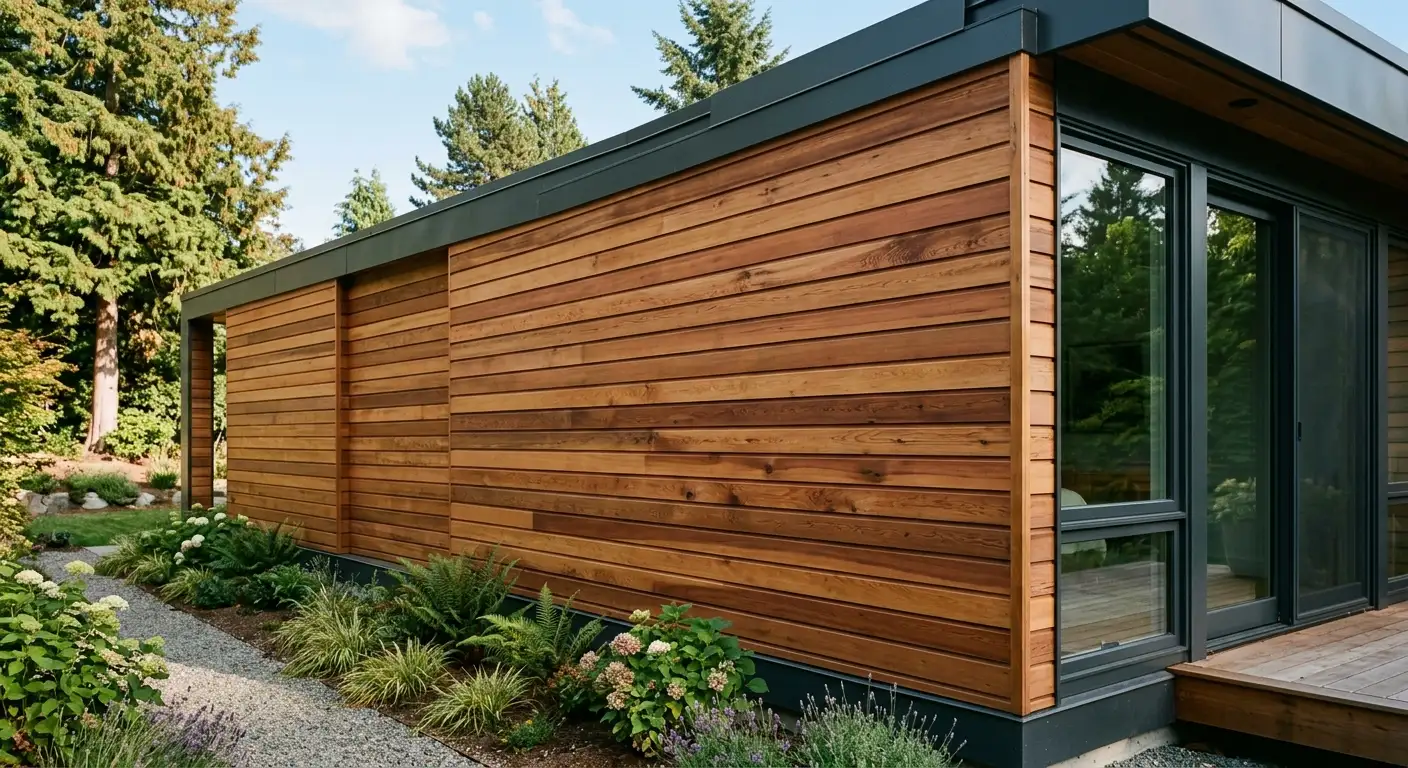
Yes, it is generally possible to apply a new wood stain over an existing stain, particularly when maintaining exterior woodwork such as shutters, cladding, doors, gates and other vertical wooden surfaces.
However, whether you can apply the new finish directly over the existing one depends on its condition. An old stain that is clean, well adhered and simply faded can often be renovated without completely stripping the wood.
On the other hand, if the existing finish is badly peeling, flaking or showing significant deterioration, applying a new coat directly over it may result in an uneven and less durable finish. More extensive preparation, potentially including complete stripping, may then be necessary.
Check the condition of the existing wood stain
Before starting, carefully inspect the wood. An existing stain can generally be kept as a base if it is still well adhered, is not peeling and has a relatively even surface.
If it has simply become dull or slightly worn due to weather exposure and UV rays, cleaning followed by light sanding may be enough before applying a new wood stain.
Microporous wood stain and other finishes: do not confuse them
A wood stain is a finish designed to protect and decorate timber while keeping the natural grain visible. For exterior woodwork, a microporous wood stain forms a protective film while allowing moisture exchanges between the wood and its environment.
However, an old wood stain should not be confused with paint, varnish or a wood saturator. These products behave differently and may require different preparation before renovation. If you do not know what type of finish was previously applied, always carry out a test on a small area before treating the entire surface.
Why apply a new wood stain over the existing stain?
When the existing finish is in suitable condition, this method offers several advantages. It can avoid completely stripping the wood, reduce preparation time and restore both the appearance and protection of the woodwork.
For exterior wood, it is best to carry out maintenance before the finish becomes too badly deteriorated. Renovating the surface early is generally much easier than restoring a wood stain that has already started to peel.
2. How should you prepare an old wood stain before renovation?
Proper preparation is essential. Applying a new wood stain over a dirty, glossy, peeling or poorly adhered surface can result in defects and reduce the durability of the new finish.
Step 1: Thoroughly clean the wood
Start by removing dust, dirt and other contaminants from the surface. For exterior woodwork, it is important to obtain a clean surface before applying any new finish.
After cleaning, allow the wood to dry thoroughly before continuing with the preparation.
Step 2: Lightly sand the surface
If the existing wood stain is still well adhered, light sanding will help matt the surface, remove minor imperfections and improve the adhesion of the new finish.
Sand in the direction of the wood grain using a suitable abrasive, without necessarily trying to remove all of the existing stain. Then carefully remove all sanding dust from the surface.
Step 3: Strip the old stain if it is badly deteriorated
Stripping becomes necessary when the existing finish is badly peeling, flaking or no longer properly adhered. Applying a new wood stain over a layer that is already coming away from the wood will not solve the problem: the new finish may simply detach along with the old one.
In this case, remove all loose and poorly adhered areas and, if necessary, strip the finish to restore a sound and even surface before applying a new protective system.
3. How to apply a new wood stain over an old one
Once the surface is clean, dry, sound and properly prepared, you can begin applying the new wood stain.
Step 1: Choose a wood stain suitable for exterior use
For woodwork exposed to the weather, choose a finish specifically designed for exterior use. It should be suitable for changing weather conditions, moisture and exposure to UV rays.
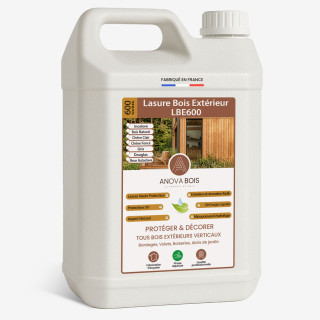
LBE600 Exterior Wood Stain is designed to protect and decorate vertical exterior wooden surfaces. Its microporous and water-repellent finish protects the wood while preserving its natural appearance.
When renovating an existing finish, it is still essential to check compatibility with the old coating. If you are unsure about the type of product previously applied, carry out a test on a small, inconspicuous area first.
Step 2: Test on a small area
This step is particularly important when renovating previously stained wood. Apply the new stain to a small, inconspicuous area to check its adhesion, compatibility with the existing finish and final appearance once dry.
The final colour may vary depending on the natural colour of the wood, the existing stain and the number of coats applied.
Step 3: Apply the new wood stain
Apply the wood stain evenly in the direction of the grain, following the instructions provided in the product technical data sheet, including the recommended number of coats, coverage, drying time and application conditions.
A brush is particularly practical for shutters, doors, cladding, gates and woodwork with mouldings, corners or detailed areas. On larger surfaces, a suitable roller may make application easier depending on the product being used.
Work progressively and avoid applying the product too thickly. Pay particular attention to corners and lower sections where runs and drips may form.
How can you achieve an even finish?
To reduce colour variations and visible application marks, work on complete sections wherever possible and maintain a consistent application. Avoid going back over an area that has already started to dry.
When working outdoors, avoid applying wood stain in direct sunlight, on a surface that is too hot or damp, or when rain is expected shortly after application. Always follow the application conditions specified by the manufacturer.
4. How to maintain renovated exterior wood stain
A properly maintained wood stain is generally easier to renovate than a finish that has been left untreated for too long. The aim is therefore to inspect the condition of the finish regularly and carry out maintenance before significant deterioration appears.
How often should exterior wood stain be maintained?
There is no single maintenance interval suitable for all exterior woodwork. Durability depends on several factors, including the exposure and orientation of the wood, weather conditions, timber species, colour and the wood stain system used.
A façade or shutter that is heavily exposed to sunlight and rain may require more frequent maintenance than woodwork protected by a roof overhang.
Inspect your exterior woodwork regularly. Loss of appearance, significant changes in colour or signs that the protective finish is beginning to wear are useful indicators that maintenance may be required.
It is better to carry out maintenance while the existing finish is still sound rather than waiting until it starts to peel badly. Acting early can significantly reduce the amount of preparation required during renovation.
What should you do if the old wood stain is badly damaged?
If the existing wood stain shows extensive peeling, flaking or significant deterioration, simply covering the surface with another coat is not recommended. The new finish would then rely on an existing layer that is already poorly adhered to the wood.
In this situation, the best approach is to remove the damaged areas, or even the entire existing finish when necessary, and then prepare the wood again before applying the new protection.
Key steps for applying wood stain over old wood stain
- Inspect the existing stain and check that it is still properly adhered.
- Clean the surface to remove dust, dirt and contaminants.
- Lightly sand the surface if the existing finish is still sound.
- Strip the finish if necessary when the stain is peeling or flaking.
- Remove all sanding dust thoroughly after preparation.
- Check compatibility between the existing and new finishes.
- Carry out a test on a small, inconspicuous area.
- Apply the new wood stain according to the manufacturer's recommendations.
FAQ: Renovating old wood stain
Do you need to remove old wood stain before applying a new coat?
Not necessarily. If the existing stain is still well adhered and has simply become dull, cleaning and light sanding may be sufficient. However, a finish that is peeling or flaking should be removed from the affected areas, or completely stripped if it is badly deteriorated.
Can you apply wood stain without sanding?
Light sanding is generally recommended to improve adhesion and achieve a more even finish. However, the exact preparation requirements may vary depending on the wood stain being used and the condition of the existing finish.
Can you change the colour of an existing wood stain?
Yes, but the final result will depend on the existing colour and the new shade selected. Because wood stain allows the underlying surface to remain visible, the existing colour will influence the final appearance. In particular, achieving a very light shade directly over a dark existing finish can be difficult without more extensive preparation.
How do you know if old wood stain needs to be stripped?
If the finish is peeling, flaking or no longer properly adhered to the wood, the damaged areas must be removed. The more deteriorated and uneven the existing finish is, the more appropriate complete stripping may be in order to restore a uniform surface.
What exterior wooden surfaces can be treated with wood stain?
Wood stain is particularly suitable for vertical surfaces such as shutters, cladding, doors, windows, gates and other exterior wooden joinery. For heavily exposed horizontal surfaces such as decking, a wood saturator designed for this type of use is generally more suitable.
In summary
It is entirely possible to apply a new wood stain over an old stain when the existing finish is still sound and properly adhered. In this case, thorough cleaning and light sanding are generally sufficient to prepare the surface before renovation.
However, if the existing finish is peeling or flaking, the damaged areas must be removed and the surface may need to be stripped. For exterior woodwork, it is best to carry out maintenance before the finish becomes badly deteriorated: renovation will be easier and require less preparation.