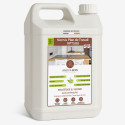
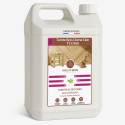
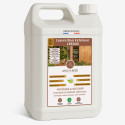
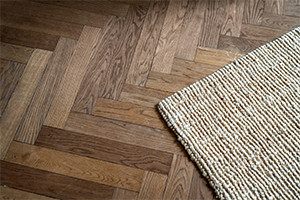
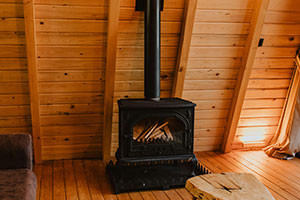
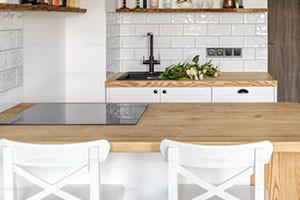
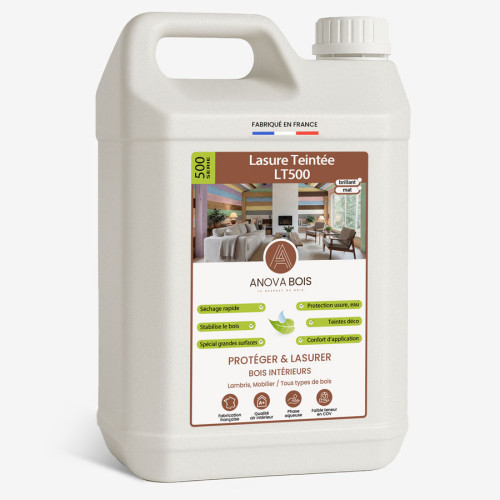
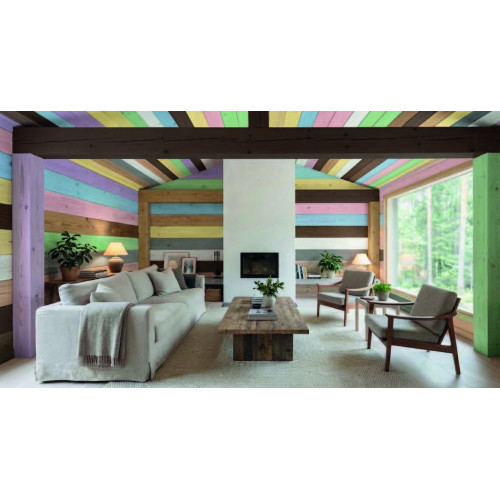
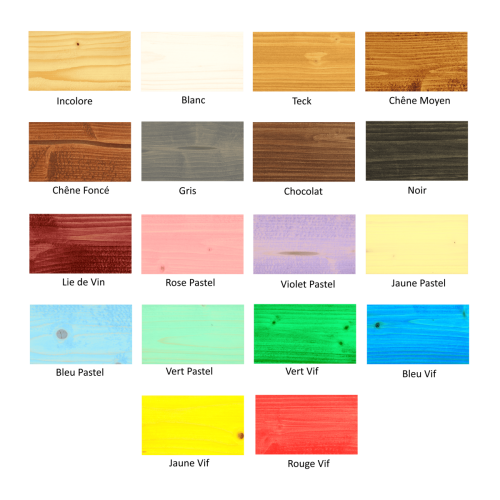
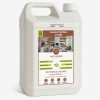
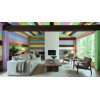
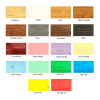
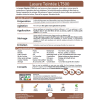
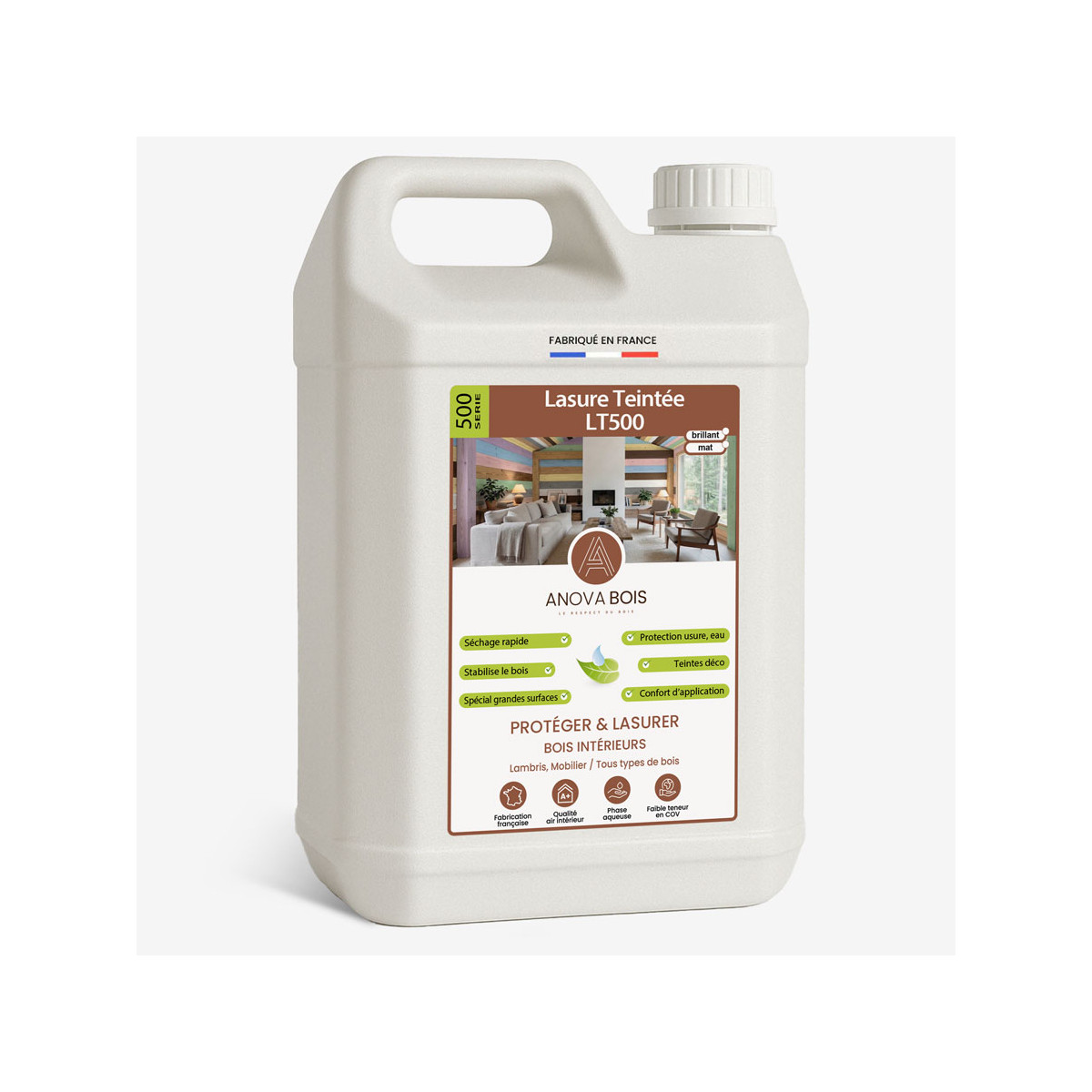
Personalise and protect your interior wood with Tinted Wood Stain LT500, a decorative finish available in 18 different colours. From natural wood tones to more original colours, it allows you to transform the appearance of furniture, beams, panelling, woodwork and other wooden features while keeping the natural grain visible. The range includes shades such as Clear, White, Pastel Green, Bright Red and Wine Red, along with many other colours. Available in a matt or gloss finish, this wood stain makes it easy to create a finish that suits your interior style. Apply 1 to 3 coats depending on the desired colour intensity, with approximate coverage of 10 m² per litre.
 Why Choose Tinted Wood Stain LT500?
Available in 18 different colours for personalising interior wood.
Choose from natural, light, dark, pastel and brighter decorative shades.
Adds colour while keeping the natural wood grain and character visible.
Suitable for furniture, beams, panelling, woodwork and decorative wooden features.
Designed to decorate and protect interior wooden surfaces.
Available in two finishes: matt or gloss.
The matt finish creates a softer and more understated appearance.
The gloss finish enhances reflections and gives the selected colour greater visual impact.
Adjustable colour intensity with 1 to 3 coats.
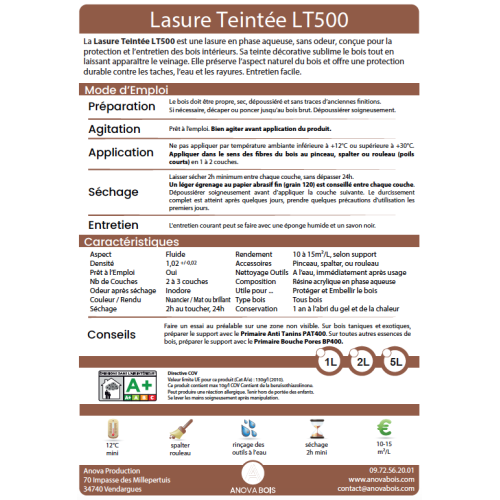
Drying time between coats: approximately 2 to 4 hours.
Fully dry after approximately 24 hours.
Approximate coverage of 10 m²/L.
 How to Apply Tinted Wood Stain LT500
Preparing the wood before adding colour
Apply the stain to wood that is clean, dry and thoroughly free from dust.
Remove any old, damaged or incompatible finishes that could prevent even absorption of the colour.
If necessary, sand the surface to achieve an even base before application.
Carefully remove all sanding dust.
On older or previously treated wood, prepare the entire surface consistently to reduce differences in colour absorption.
Applying your chosen colour
Stir Tinted Wood Stain LT500 thoroughly before application.
Apply the product evenly in the direction of the wood grain.
Apply between 1 and 3 coats depending on the original colour of the wood and the desired intensity.
Avoid excessive product build-up, which may create differences in colour between areas.
On larger surfaces such as panelling, work methodically to maintain a consistent appearance.
Stir the stain regularly during application to help maintain an even colour.
Use LT500 exclusively on interior wood.
Allowing sufficient drying time between coats
Allow approximately 2 to 4 hours between coats.
Make sure the previous coat is sufficiently dry before applying the next one.
After the final coat, allow approximately 24 hours for complete drying.
During drying, avoid rubbing, handling or placing objects on the freshly stained surface.
Matt or Gloss Tinted Wood Stain: Which Finish Should You Choose?
Matt Tinted Wood Stain: soft, contemporary colour
Matt Tinted Wood Stain LT500 reduces reflections to highlight the colour and natural appearance of the wood. This finish works equally well with traditional wood tones and decorative colours when a subtle, contemporary result is desired.
The matt version can be used to personalise furniture, beams or panelling while maintaining a softer visual appearance. It works particularly well with pastel, natural and deeper shades.
Gloss Tinted Wood Stain: more sheen and reflections
Gloss Tinted Wood Stain LT500 brings more light to the surface. The reflections enhance the selected colour and highlight the grain and natural features of the timber.
This finish is particularly suitable for furniture and decorative woodwork when you want a brighter result or wish to emphasise a vivid colour.
 18 Colours to Personalise Your Interior Wood
One of the main advantages of Tinted Wood Stain LT500 is its choice of 18 different colours. This wide palette goes beyond traditional wood shades and gives you greater freedom to personalise each project.
The range includes colours such as Clear, White, Pastel Green, Bright Red and Wine Red, as well as many other shades. You can therefore retain a natural appearance, brighten the wood visually or introduce a much bolder decorative colour.
The final result always depends on the combination of the selected shade and the natural colour of the wood. The same stain colour may therefore look slightly different depending on the wood species to which it is applied.
How to Adjust the Colour Intensity
The intensity achieved with Tinted Wood Stain LT500 can be built up gradually by applying 1 to 3 coats. This makes it easier to control the final appearance and adapt the colour to your project.
1 coat adds an initial layer of colour while allowing the original tone of the wood to remain strongly visible.
2 coats generally enhance the colour and create a more pronounced result.
3 coats further intensify the shade when a stronger decorative effect is required.
Allow approximately 2 to 4 hours between each coat.
We recommend assessing the result after drying before deciding whether to apply another coat. The wood species, porosity and original colour all have a direct influence on the final shade.
 How to Maintain Stained and Coloured Wood
Maintaining the colour day to day
Dust the surface regularly using a soft cloth.
For marks or dirt, use a gentle cleaning method suitable for the finish.
Avoid abrasive sponges and aggressive cleaning products that could alter the appearance of the surface.
Renovating a tinted finish
When the finish begins to show signs of wear, clean and prepare the surface properly before applying any additional product.
Reapply Tinted Wood Stain LT500 in the same colour to maintain a consistent appearance.
For localised touch-ups, carry out a preliminary test to check that the colour matches the existing finish.
 Precautions for Achieving an Even Colour
The result of a coloured wood stain depends on the selected shade, the number of coats and the wood to which it is applied. A few precautions will help you achieve a more consistent final colour:
Apply only to clean, dry and properly prepared wood.
Stir the stain thoroughly before and during use to maintain an even colour.
Always test the colour on a small area or an offcut of the same wood before treating the entire surface.
Take the natural colour of the wood into account, as it directly influences the final result.
Apply evenly in the direction of the grain.
Avoid excessive product build-up, which can create darker or more intense areas.
On larger surfaces, avoid interruptions wherever possible to reduce visible application marks.
Allow approximately 2 to 4 hours between coats.
After the final application, allow approximately 24 hours to dry completely.
Please note: Tinted Wood Stain LT500 is designed for interior wood. It is not intended for decking, cladding, fences, shutters, garden buildings or other wooden surfaces directly exposed to outdoor weather conditions.
Professional Tips for Successfully Colouring Wood
Test the colour before starting: the same shade may produce a different result on pine, oak or another wood species.
Build the colour gradually: start with one coat and assess the result after drying before increasing the intensity.
Prepare the wood evenly: differences in sanding or porosity can lead to variations in colour.
Stir the stain regularly: this helps maintain a consistent colour throughout the application.
Choose the finish to suit your style: matt creates a more understated appearance, while gloss enhances reflections and gives the colour greater visual impact.
How to Colour Wooden Furniture While Keeping the Grain Visible
Changing the colour of wooden furniture does not necessarily mean completely hiding the timber underneath. A tinted wood stain for furniture adds a new shade while allowing the natural grain and variations of the wood to remain visible.
With the 18 colours available for Tinted Wood Stain LT500, furniture can be given a natural, contemporary, pastel or much bolder appearance. A light shade can brighten the piece, while a vivid colour can transform it into a distinctive decorative feature.
Applying several coats also allows you to control the intensity gradually and stop once the desired colour has been achieved.
Which Wood Stain Colour Should You Choose for Beams or Panelling?
Interior beams and wood panelling often have a strong visual presence within a room. Changing their colour can therefore significantly alter the overall atmosphere of the interior.
With Tinted Wood Stain LT500, you can choose from 18 colours to adapt the wood to your preferred style. A natural shade can maintain a traditional timber appearance, while a light or pastel shade can create a more contemporary look. Deeper or brighter colours can be used to introduce stronger contrast.
Because the wood grain remains visible, the surface retains its natural timber character even when a more original decorative colour is selected.
Coloured Wood Stain or Paint: What's the Difference on Wood?
Wood paint is generally chosen when the aim is to create an opaque surface with a relatively uniform colour. It therefore tends to hide more of the grain and natural variations of the timber.
A tinted wood stain works differently: it adds colour while allowing the wood itself to remain part of the final appearance. The wood species, grain, porosity and original colour remain visible and influence the resulting shade.
Tinted Wood Stain LT500 is therefore particularly suitable when you want to combine interior wood protection, colour personalisation and visible natural wood grain, with 18 shades suitable for both natural-looking projects and more creative decorative finishes.
Why Choose a Wood Stain Available in Multiple Colours?
A wide choice of colours makes it possible to use the same type of finish for very different interior projects. With its 18 available shades, Tinted Wood Stain LT500 can be used for both traditional renovation and more original decorative projects.
You can choose a subtle shade to retain a natural wood appearance, a light colour to brighten a surface, a pastel shade to create a softer atmosphere or a vivid colour to give furniture much more character.
This variety makes LT500 a particularly versatile solution for personalising furniture, beams, panelling and interior woodwork while retaining the defining characteristic of a wood stain rather than a paint: the natural presence and grain of the timber remain visible beneath the colour.