




Which Wood Saturator Should You Choose for Exotic Wood?
Ipe, cumaru, teak, garapa: choose the right treatment based on the wood species, density, desired finish and exposure of your outdoor surfaces.
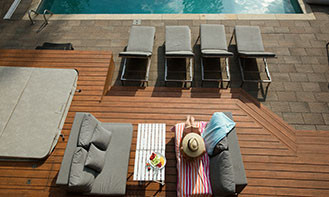
Find the right saturator →Exotic hardwoods are valued for their density, natural durability and rich colours. However, even resistant species such as ipe and cumaru can turn grey when exposed to UV rays and weathering. A suitable non-film-forming wood saturator helps maintain their appearance while allowing the grain to remain visible.
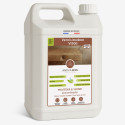
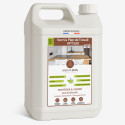
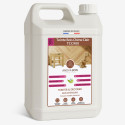
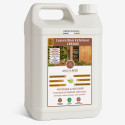
For a versatile solution across exotic wood species, choose Exotic Wood Saturator Exotic Wood Saturator SBE600, available in several shades. For cumaru decking, Cumaru Saturator SC600 offers a dedicated cumaru finish. For ipe decking, Ipe Saturator SI600 is a specialist option designed to revive its reddish-brown colour. In every case, surface preparation is essential: dense, new and previously treated woods require different precautions.
Why choose a saturator designed for exotic wood?
“Exotic wood” covers many different species. Some are extremely dense and absorb little product, while others have more open pores, marked colour variations or natural extractives that can affect how a finish penetrates. Choose a product compatible with both the species and the intended surface, rather than relying on an “outdoor wood” label alone.
A non-film-forming saturator penetrates the wood instead of creating a rigid coating on top. This is especially useful on decking exposed to rain, sunlight and foot traffic. Maintenance is generally easier because there is no surface film intended to peel or flake.
Which saturator for ipe, cumaru, teak or garapa?
The question is not simply “which saturator is best?”, but which one suits my wood species and the appearance I want? Use this decision table as a guide, while always checking the relevant product instructions.
| Wood species | What to consider | Suggested choice |
|---|---|---|
| Ipe | Very dense, sometimes low absorption; brown to reddish-brown tones. | Ipe Saturator SI600 for a dedicated ipe shade; Exotic Wood Saturator SBE600 for a wider choice of colours. |
| Cumaru | Dense wood with colour variations between boards. | Cumaru Saturator SC600 for a cumaru-specific finish; Exotic Wood Saturator SBE600 for additional shades. |
| Teak | Naturally oily wood; careful preparation and compatibility checks are important. | Exotic Wood Saturator SBE600, including its Teak shade, depending on the desired result. |
| Garapa, itauba, massaranduba, iroko… | Colour and absorption vary with species, age and exposure. | Exotic Wood Saturator SBE600 after checking compatibility and testing on a small area. |
Three Anova Bois solutions compared
Exotic Wood Saturator SBE600
Exotic Wood Saturator. Suitable for outdoor exotic wood decking, pool surrounds, furniture and other structures. Available in Natural Wood, Teak, Ipe, Grey and Colourless. Ideal for choosing a finish that matches the wood and its exposure.
Discover Exotic Wood Saturator SBE600 →Cumaru Saturator SC600
Cumaru Saturator. A specialist solution for enhancing the colour of cumaru decking and outdoor furniture. Choose it when you want a finish close to the characteristic appearance of cumaru.
Discover Cumaru Saturator SC600 →Ipe Saturator SI600
Ipe Saturator. Designed for ipe decking and outdoor furniture, with a reddish-brown shade close to the natural colour of ipe. A good choice for reviving correctly prepared timber.
Discover Ipe Saturator SI600 →To explore other products, surfaces and finishes, visit the Anova Bois wood saturators category. The category presents the complete range; this guide focuses on how to choose a finish for exotic wood.
Dense exotic wood: why preparation matters
On very dense wood such as ipe or cumaru, low surface porosity can limit absorption. Freshly planed boards may also have a surface that is too closed for immediate treatment. Applying more product is not the solution: excess saturator may remain on top and leave marks.
- New wood: check moisture and surface condition. Weathering or suitable preparation may be required before application, depending on the product instructions.
- Old, greyed wood: clean it and, if you want to restore its warm colour, use a suitable wood brightener before applying a saturator.
- Previously oiled, varnished or stained wood: identify the existing finish and remove incompatible coatings.
- Stained wood or surface deposits: remove deposits and test the treatment before covering the entire surface.
Colourless, natural or tinted saturator: which finish should you choose?
Choose according to your objective: preserve the look of new wood, warm up a faded colour or achieve a deliberate grey finish.
| Finish | Desired appearance | What to know |
|---|---|---|
| Colourless (pigment-free) | Minimise changes to the original wood colour. | Less UV protection than a pigmented version; more frequent maintenance may be necessary. |
| Natural Wood | Maintain a warm, understated appearance. | The result depends on the species and its starting colour. |
| Teak / Ipe | Enhance warmth or recreate a characteristic exotic wood shade. | Always test on several boards before treating the entire deck. |
| Grey | Achieve a more consistent grey appearance. | A grey-tinted finish is not the same as allowing untreated wood to grey naturally. |
For highly sun-exposed decking, a pigmented finish is generally preferable if slowing down greying is the priority. A colourless finish can make sense if you accept more maintenance or prefer the wood to change colour over time.
How to prepare exotic wood decking before applying a saturator
- Identify the species and previous finish. Determine whether the wood is ipe, cumaru, teak or another exotic species, and whether it has already been treated.
- Clean thoroughly. Remove dirt, surface deposits and stains with a suitable cleaner that does not damage the fibres.
- Brighten greyed wood if needed. If you want to restore a warmer colour, apply a compatible wood brightener and rinse as instructed.
- Remove incompatible old finishes. Saturators should not be applied over varnish, paint or film-forming wood stain that prevents penetration.
- Allow the wood to dry. Check that the surface and weather conditions meet the product's application and drying requirements.
- Test the colour. Apply to an inconspicuous area, especially where boards vary in density or colour.
How to apply a saturator to exotic wood
For decking, Anova Bois generally recommends one thin, even coat. Some product instructions, including those for Exotic Wood Saturator SBE600 and Ipe Saturator SI600, allow a second coat in certain cases of high absorption. Always follow the instructions for the exact product being used.
- Shake or stir the product to distribute the pigments evenly before and during application.
- Apply along the grain with a wide brush, decking brush or another tool approved in the technical instructions.
- Work board by board to reduce overlap marks and keep the colour even.
- Spread thinly and avoid puddles, build-up or shiny patches.
- Respect drying times before walking on the surface or replacing furniture.
How often should you maintain saturated exotic wood?
There is no single maintenance schedule. UV exposure, proximity to a swimming pool, foot traffic, rain and the selected colour all affect how long the finish looks its best. Watch for fading and changes in the surface appearance rather than following a rigid timetable.
- Regularly remove leaves, dirt and deposits that may trap moisture.
- Clean with a compatible product when the deck becomes dirty.
- Renew the finish when the colour begins to fade, after suitable preparation.
- A compatible non-film-forming saturator can generally be maintained without completely stripping the wood; always check its condition first.
- Avoid excess product: one thin maintenance coat is usually sufficient for decking.
FAQ: choosing and using a saturator for exotic wood
What is the best saturator for exotic wood decking?
It depends on the species, surface condition and desired finish. Exotic Wood Saturator SBE600 is versatile and available in several colours; Ipe Saturator SI600 is designed for ipe and Cumaru Saturator SC600 for cumaru.
Is Exotic Wood Saturator SBE600 suitable for all exotic wood species?
It is designed for exterior exotic woods, including ipe, teak, garapa and other species. Always check the application conditions and test first, particularly on very dense or previously treated wood.
Which saturator should I choose for ipe decking?
Ipe Saturator SI600 is a dedicated ipe treatment with a shade close to the wood's natural colour. Exotic Wood Saturator SBE600 also offers several alternative finishes.
Which saturator is best for cumaru?
Cumaru Saturator SC600 is designed to enhance cumaru wood. Exotic Wood Saturator SBE600 is an alternative if you want a different finish or a broader choice of shades.
Should new exotic wood be saturated immediately?
Not always. Some new, very dense or freshly machined woods require preparation or a period of exposure. Follow the product instructions and check the wood's moisture content.
Does a colourless saturator stop exotic wood from turning grey?
Pigment-free versions generally provide less UV protection than tinted versions. If retaining the colour is your priority, choose a suitable pigmented finish.
How many coats should I apply to exotic wood decking?
Usually one thin coat. Some product instructions allow a second coat on highly absorbent surfaces. Follow the product instructions and avoid excess product.
Can I apply a saturator over previously oiled exotic wood?
First identify and remove incompatible oil residues so the new product can penetrate. Appropriate cleaning or oil removal may be necessary.
Choose the right protection for your exotic wood
Compare the available finishes and discover saturators for decking, cladding and outdoor wood structures.
Explore Anova Bois wood saturators →Key takeaway: with exotic hardwoods, density and preparation matter just as much as the chosen colour. Exotic Wood Saturator SBE600 suits a wide range of species and offers several shades; Cumaru Saturator SC600 and Ipe Saturator SI600 provide more specific solutions for cumaru and ipe. For decking, prioritise thin application and maintenance suited to actual exposure.