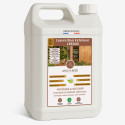
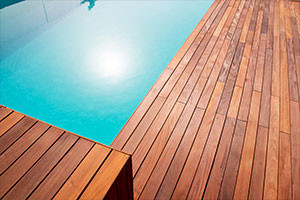
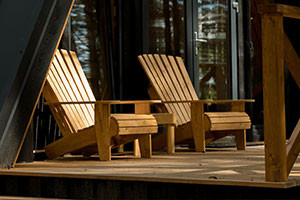
Wood degreaser is designed to remove grease, mold, and fungi from your wooden furniture, decks, and cladding.

It also eliminates blackened or gray areas on the wood and opens its pores to ensure proper adhesion of finishing products. For best results, specific techniques should be followed during application. Learn how to use wood degreaser to restore the natural shine and beauty of your wooden surfaces.

Benefits of Using Wood Degreaser

Wood degreaser acts like a stripping agent. It penetrates deep into the wood fibers, allowing thorough cleaning before applying paint, varnish, wax, a wood saturator, or protective oil. It removes stains, rings, and all types of dirt while helping treatments adhere properly and last longer.

If the wood is poorly degreased, paint, wax, or varnish may peel or flake quickly. Wood degreaser is suitable for almost all wood types—hardwoods, exotic woods, softwoods, and even limed wood. It can be used on teak, pine, spruce, ipe, and more. However, it is not recommended for tannin-rich woods such as oak or chestnut, as it can cause tannins to rise and darken the wood surface.

STEP 1: PREPARE THE WOODEN SURFACES FOR DEGREASING

Preparing your wooden furniture is a crucial first step. It is essential for effective degreasing. The surfaces to be treated must be clean for the degreasing product to work properly.

First, remove all items on or inside the furniture. For example, before using a wood degreaser on cabinets, take out the shelves, drawers, and everything they contain. This allows for a thorough cleaning.

Dust your wooden surfaces using a duster, broom, or vacuum cleaner. Then, clean them with a damp cloth to remove stubborn stains and dirt. Finally, inspect the wood surfaces carefully. This step helps identify potential issues such as loose hinges, chipped paint, or cracks. For the best results, fix these problems before applying the wood degreaser.

STEP 2: APPLY THE WOOD DEGREASER METHODICALLY

Before applying the wood degreaser to the entire surface of your furniture, perform a test on a small, inconspicuous area to ensure it does not cause discoloration or damage.

This step will help you determine if the product is compatible with the type of wood used in your furniture. It is especially important if you are using a homemade solution.

You can indeed make your own degreaser using natural ingredients. For example, you can prepare a mixture of:

  • citrus essential oils and rubbing alcohol,
  • dish soap and warm water,
  • white vinegar and water.

Once the test is successful, you can apply the product to your wooden furniture.

The application method depends on the type of degreaser. It may need to be diluted in water or applied directly. Use a cloth, sponge, or soft brush for application. Rub in circular motions to allow the product to penetrate deeply into the wood fibers.

Focus on areas with a high concentration of grease and dirt. Let the wood degreaser work, then remove it completely before applying paint, wax, or varnish.

STEP 3: CLEAN AND DRY THE DEGREASED WOODEN SURFACES

Once the recommended working time has passed, wipe the wooden surfaces with a clean cloth to remove any remaining degreaser.

If necessary, rinse the surfaces as well. This step depends on the type of degreasing product used and may sometimes be essential to achieve shiny and radiant furniture.

For proper guidance, Anova Bois recommends reading the product instructions. Allow the wooden surfaces to dry for 1 to 2 days. If rinsing was performed, make sure there is no remaining water before applying paint, varnish, or wax. Moisture can cause long-term damage and affect the lifespan of your wooden furniture.

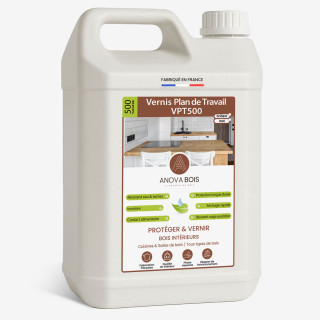
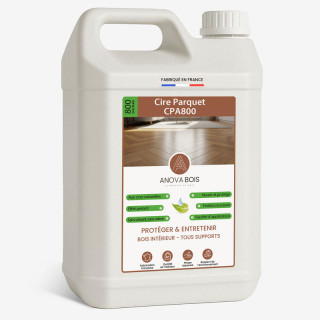
Our Products to Protect Wooden Furniture

All Our Other Tips for Indoor Wood


Indoor Wood Tips

Indoor Wood Tips

Discover our tips, guides, and tutorials for all types of indoor wood!

Back to top
x