





When it comes to protecting or decorating wood, two finishes are commonly used: paint and wood stain. Although both finishes can be applied to a wide range of wooden surfaces, they provide different appearances and types of protection.
Paint is mainly used to completely transform the appearance of wood with an opaque finish, while wood stain is generally chosen to protect the surface while keeping the natural appearance and grain of the wood visible.
So, should you choose paint or wood stain? The right choice depends on the surface, its location and condition, and above all the desired appearance.

What is wood paint?
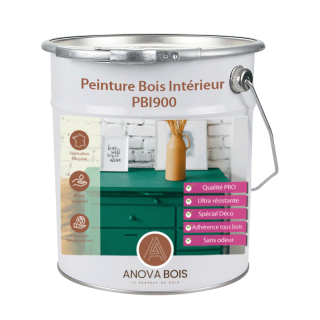
Wood paint is generally an opaque, film-forming finish. Once applied and dry, it forms a continuous film on the surface and largely or completely hides the wood's original colour and grain.
It is particularly suitable when you want to transform the appearance of woodwork, add a specific colour or create a more uniform finish on wood with variations in colour.
Depending on the product chosen, wood paint can be used on:
- furniture;
- doors and door frames;
- shutters;
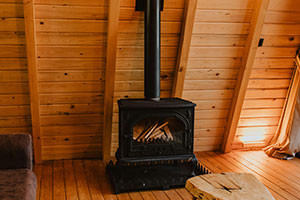
- wood cladding;
- wood panelling;
- various interior and exterior woodwork.
For exterior applications, it is essential to choose a paint specifically formulated to withstand the conditions the surface will be exposed to, including rain, moisture, UV radiation and temperature variations.
What is wood stain?
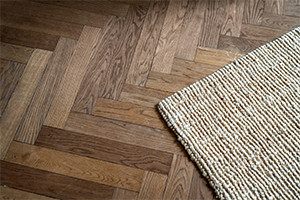
Wood stain is a finish designed to protect and decorate wood while generally keeping its natural grain visible. Unlike opaque paint, it allows more of the wood's natural appearance to remain visible.
Wood stain can be colourless or tinted and can offer different levels of transparency depending on its formulation and the number of coats applied.
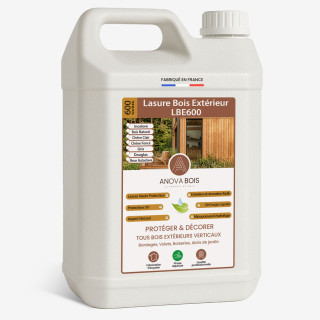
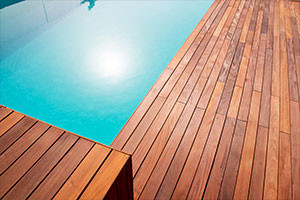
Wood stains designed for exterior use help protect woodwork against weather exposure. A high-quality exterior wood stain generally forms a microporous protective film that limits water penetration while allowing water vapour to pass through the surface.
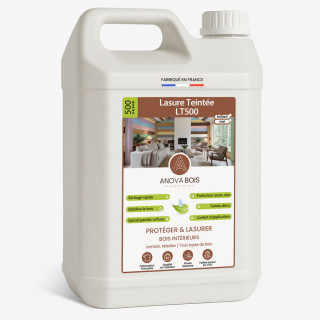
Tinted finishes also help protect wood against the effects of UV radiation. To discover the different finishes available, explore our range of wood stains.
Paint vs wood stain: what are the differences?
The main difference between paint and wood stain is the finished appearance. Paint hides the wood, while wood stain generally aims to preserve its natural appearance and visible grain.
| Criterion | Paint | Wood stain |
|---|---|---|
| Appearance | Opaque | Transparent to semi-transparent depending on the product |
| Wood grain | Hidden | Generally visible |
| Protection | Opaque protective film | Generally microporous protective film |
| Maintenance | The film may eventually peel or crack as it ages | Requires renovation when the protection and finish begin to deteriorate |
| Preparation | Can visually conceal certain imperfections | Requires a properly prepared surface for an attractive finish |
| Ideal for | Colourful decoration and completely changing the appearance of wood | Protection while preserving the natural appearance of wood |
Paint or wood stain for exterior cladding?
For exterior wood cladding, the choice mainly depends on the desired appearance.
If the aim is to preserve the appearance and grain of the wood, a suitable exterior wood stain is a particularly good option. Its microporous finish is well suited to vertical wood surfaces exposed to the weather.
Exterior wood paint is more suitable if you want an opaque, coloured finish, for example to completely transform the appearance of a façade or coordinate the cladding with other elements of the building.
Paint or wood stain for shutters and exterior joinery?
For shutters, doors and other exterior joinery, both solutions can be considered.
Wood stain is particularly suitable when you want to preserve the natural character of the wood. Tinted finishes can change its colour while generally keeping the wood grain visible.
Paint is generally preferred when you want a uniform, opaque colour, particularly when coordinating joinery with a façade or achieving a specific architectural style.
Paint or wood stain for indoor furniture?
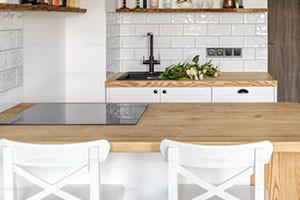
For wooden furniture, the choice is primarily aesthetic.
Paint can completely transform a piece of furniture, whether you choose white, black, pastel shades or stronger colours. It can also be useful for visually renovating furniture when the original appearance of the wood is not particularly attractive.
In contrast, an interior wood stain can slightly alter or even out the colour while enhancing the wood grain. It is therefore particularly suitable for projects where you want to retain a natural wood appearance.
However, the way the furniture will be used should also be taken into account. For heavily used surfaces, such as a tabletop, a finish specifically designed to withstand abrasion, stains and repeated use may be more suitable.
Paint or wood stain on previously painted or varnished wood?
Before applying a new finish, it is essential to identify the product already present on the surface.
Old paint or varnish can prevent wood stain from penetrating correctly or adhering evenly. The surface will therefore generally need to be stripped and/or sanded to obtain clean, sound and properly prepared wood.
Preparation is particularly important when using a transparent or semi-transparent wood stain, as imperfections, traces of previous finishes and colour variations may remain visible after application.
Can you apply wood stain over paint?
Applying wood stain directly over paint is not recommended. Paint forms an opaque layer that prevents the wood stain from working properly and producing the expected appearance on the wood.
To stain a previously painted surface, you should therefore remove the old paint by stripping and/or sanding, then properly prepare the wood before applying the stain.
Can you apply paint over wood stain?
It is generally possible to paint wood that has previously been stained, but the new paint should not be applied without proper surface preparation.
Check the condition of the existing finish, remove any loose or poorly adhering areas, clean the surface and sand it. Depending on the type of existing wood stain and the new paint, a suitable primer may also be required.
If you are unsure about the compatibility of two products, check their technical data sheets and carry out a test on a small, inconspicuous area.
Paint or wood stain: which should you choose?
The choice between paint and wood stain mainly depends on the desired appearance and how the surface will be used.
Choose wood paint if you want to hide the grain, achieve a uniform colour or completely transform the appearance of the surface.
Choose wood stain if you want to protect woodwork while preserving its natural appearance and visible grain.
In both cases, the durability of the finish depends not only on the quality of the product used, but also on proper surface preparation and compliance with the recommended application conditions.