Wood is a noble and warm material, but it can deteriorate when exposed to the elements. UV rays from the sun, moisture, and pollution can dull its natural appearance, turning it grey. Restoring the wood’s original color is not just a purely aesthetic matter, but also a way to extend its lifespan and durability.

This article provides practical advice and proven techniques to restore greyed wood, along with product recommendations for optimal results. We will cover the different steps involved in the wood restoration process.

Whether you are a professional in the field or a homeowner looking to restore a wooden deck, the information presented here will guide you in maintaining and preserving the natural beauty of your wood..

Understanding wood greying

The greying of wood is caused by exposure to UV rays and water. The sun’s UV rays break down lignin, an essential component of the wood fibers, leading to a loss of color. 

More specifically, UV radiation triggers a photo-oxidation reaction on the chromophores found in the lignin of the wood. These chromophores are responsible for the wood’s natural color. When altered by the sun’s UV rays, they cause a degradation of the color in the wood’s surface fibers..

This leads to a gradual lightening and dulling of the surface, and over time, the wood turns grey. This process can take anywhere from 4 weeks to 6 months, depending on the wood species and its level of exposure. Sunlight is the most impactful factor, but rain and humidity also accelerate the phenomenon by washing away the surface of the wood.

Some woods, such as oak and pine, are more sensitive. By understanding these mechanisms, it becomes possible to implement preventive and corrective measures to provide long-term protection for the wood on your decks, cladding, pergolas, and garden furniture. 

Assessing the condition of the wood

Before restoring or applying a finishing product, it's important to assess the condition of the exterior wood. This helps determine the depth and severity of the greying and check the overall health of the material:

Visual inspection

Look for areas where the color has changed from natural golden brown to grey or silvery tones.

Take note if you observe the presence of black or green spots, which may indicate mold or mildew on the wood, or moss growth.

Surface test

Lightly scrape the surface of the wood in several spots; if the natural color reappears easily, the greying is superficial—which is most often the case.

Structure check

Examine the structure of the wood for signs of decay such as softening, cracks, or crumbling. Use a pointed tool to check the wood’s resistance. Healthy wood should offer some resistance, while in damaged wood, the tool will penetrate easily.

In this case, it's no longer just surface greying but rather the development of mold. A different maintenance protocol will be required.

When to choose to restore greyed wood?

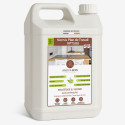
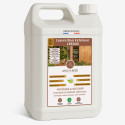
If the greying is superficial and the wood is healthy, use a wood brightener like our DG105 Exterior Wood Brightener and a wood saturator to restore its appearance. If the greying is deeper or there is moss, mold, or black spots (a biofilm), then a different procedure resembling a restorative cleaning will be required.

Techniques for restoring greyed wood

Why is it important to clean the wood before restoring its color?

Pre-cleaning is a crucial step before restoring the color of the wood to ensure the effectiveness of the process. The surface is often covered with dust, dirt, pollen, and plant debris that can prevent the brightener from properly penetrating and working.

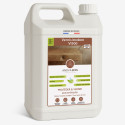
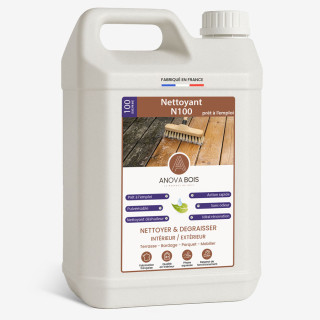
Use a product like N100 Cleaner to remove moss, mold, and black spots that form on the wood surface, or SN800 Black Soap if the surface is not too dirty.

Brushes and stiff brooms: Use stiff-bristled brushes or brooms to remove dirt from the wood surface. Nylon brushes are ideal as they won’t damage the wood fibers.

High-pressure washers: To remove embedded dirt, you can use a pressure washer set to low power to avoid damaging the wood.

Cleaning products: The N100 Wood Cleaner or its concentrated version N140 Wood Cleaner helps dissolve grease and dirt on blackened outdoor wood surfaces. If the environment is very humid and black spots appear, PA400 Sanitizing Primer effectively disinfects the wood and tackles darkening by combating the growth of fungi and mold.

Mild detergents: Use SN800 Black Soap with Linseed Oil for gentle cleaning on healthy wooden surfaces.

Protective equipment: Wear gloves, safety glasses, and appropriate clothing to protect your skin and eyes during product application.

Products and tips for restoring greyed wood

Using a specialized product: There are many products designed to lighten or restore greyed wood that has been exposed to the elements. Not all are effective, and some can be toxic and/or expensive. We recommend an environmentally friendly product specifically designed for this purpose, such as the DG105 Exterior Wood Brightener.

Sanding for small surfaces: For small to medium-sized areas, you can use medium-grit sandpaper followed by fine-grit sandpaper. Sand in the direction of the wood grain and thoroughly clean off the wood dust afterward.

Preventing future greying

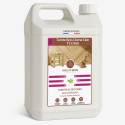
Products and finish: After cleaning and restoring the wood, apply an exterior wood saturator to nourish and protect it while preserving its grain and natural beauty. Our products come in various shades to suit different wood species and are easy to apply.

Treatment frequency: Inspect the wood every six months. Apply a protective product once a year to keep your outdoor wooden structures in good condition and maintain their appearance.

Tips to minimize exposure to the elements:

- Position wooden structures in shaded areas to reduce direct UV exposure.

- Use awnings, pergolas, or protective covers to shield the wood from rain and direct sunlight.

- Clean the wood regularly to prevent the buildup of dirt and mold.

Back to top
x